My approach to MBSR
I came to MBSR in 2006, but I was not new to mindfulness meditation at that point. I had actually never heard of MBSR until a friend and colleague mentioned it to me. I had heard of Jon Kabat-Zinn, but I hadn't read his books or seen the Bill Moyers special on him in 1993. At that point, I had been practicing in Buddhist contexts since the mid 1990s. While I had dabbled in TM and other meditative practices since college in the 1970s, I didn't discover Buddhist meditation until 1994, when I was given Thich Nhat Hanh's classic The Miracle of Mindfulness. This made a strong impression on me. A few years later I read Stephen Batchelor's Buddhism without Beliefs and discovered Insight Meditation practices. Shortly after, I went on my first silent 8-day retreat at the Insight Meditation Center in Massachusetts. It was a retreat dedicated to the practice of loving-kindness or metta. That was a turning point in my life.

I started becoming actively involved with the nascent New York Insight Meditation Center in 2000, then in its third year. I took to the practices with diligence and over time found myself in the role of practice leader and then actually being hired to lead sessions at the Jewish Community Center of Manhattan and the Federal Reserve Bank of New York. Around that time, I also found my first true teacher, Matthew Flickstein, whose primary teacher was the Sri Lankan monk Bhante Gunaratana, author of the bestselling Mindfulness in Plain English. I rooted myself in this particular approach to practice, which emphasizes wisdom and compassion, mindfulness and insight.
MBSR draws from this lineage, so I felt right at home with the curriculum. It also draws from other sources such as Chan Buddhism, yoga, experiential education, group process work, and engagement with the sciences, particularly the science of stress, and studies of the mind-body connection. I have deep appreciation for Jon Kabat-Zinn’s synthesis of so much richness into an eight-week adventure, and the further contributions of many others at the Center of for Mindfulness at UMass made to strengthen the program. I also deeply value the way MBSR is about integration into daily life and embodiment.
After nearly 20 years of teaching the MBSR curriculum and now as a trainer of new teachers, I still find it so incredibly fresh and engaging. Each cohort is so different. My own meditation practice and understanding of the mind, developed through my Buddhist practice, many retreats, the study and practice of Somatic ExperiencingTM, contemplative care, and years of teaching Buddhist Dharma in the American Insight tradition, continually strengthen my resolve to help others find their way through the challenges of living a human life. I feel a deep honor in being able to share this curriculum with others, and to witness the unique unfolding of the practice in the lives of each person.
Your guide: Jon Aaron
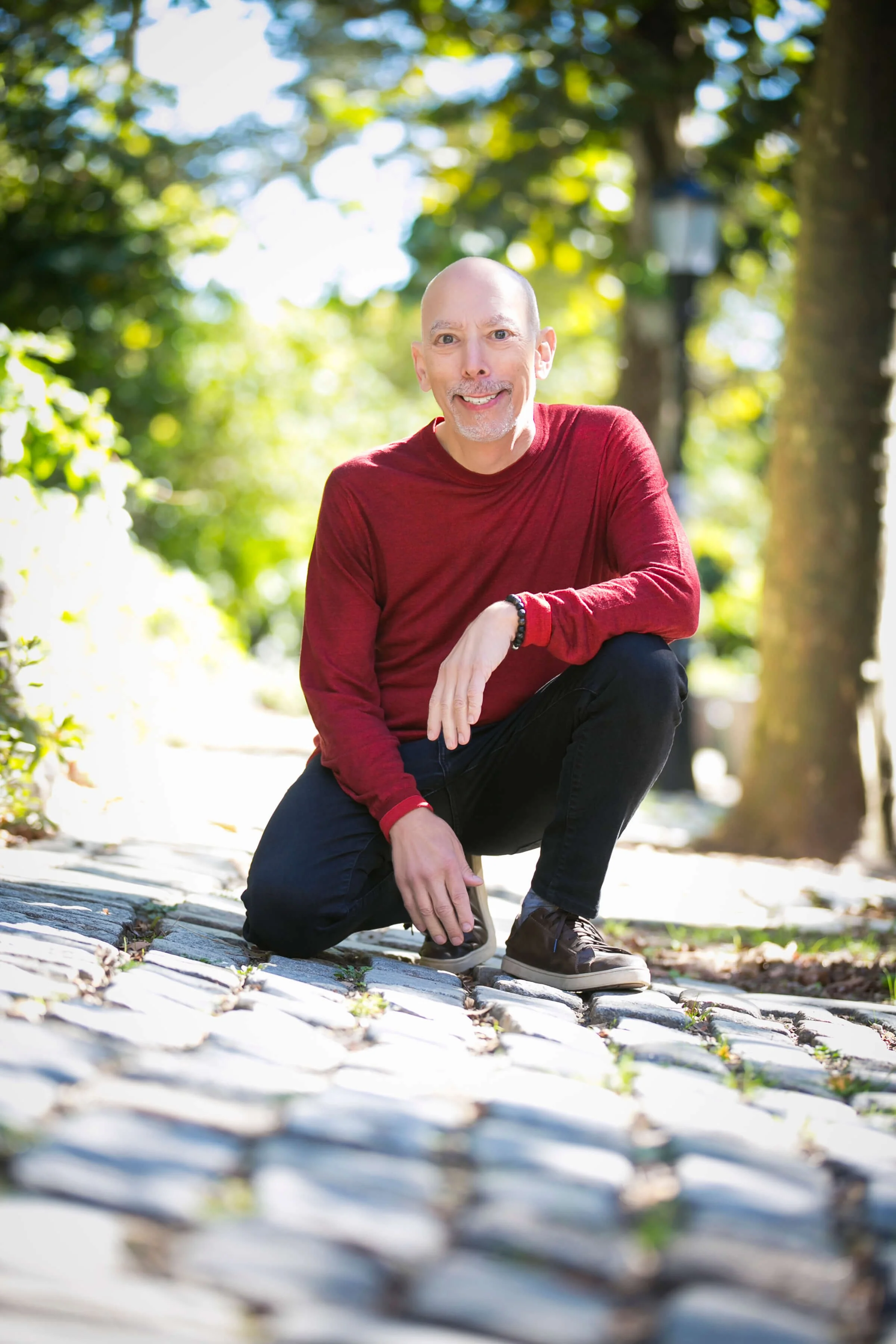
I have taught over 130 MBSR courses since 2008. It’s an approach I myself turn to every day in my own life. Having recently moved from New York City to Chicago, I am excited to offer in-person sessions in Chicagoland, as well as on-line. As both an experienced MBSR instructor and MBSR teacher trainer, I continue this work, inspired by participants who consistently report positive—and sometimes radical—changes in their ability to meet life's ongoing challenges. You can learn more about my background and training here.
Ready to discover what's possible ? Join us for a free orientation to an upcoming course. Get in touch if you have questions about whether or not MBSR is for you.