What is Mindfulness-Based Stress Reduction (MBSR)?
We all carry stress to some degree. Whether it stems from work related challenges, strained relationships, caregiving responsibilities, illness, chronic pain, financial pressures, or the constant barrage of distressing news—the sources are endless. Just being human, and staying human, in our world on fire, can be so demanding. Even everyday minor challenges can trigger overwhelming reactivity when they hit a body and mind already stretched thin.
But here's what's remarkable: we all possess extraordinary capacities for resilience, creativity, and skillful response to whatever life brings our way. The key lies in mindfulness.
Rediscover your natural resilience
Mindfulness is compassionate curiosity toward what's arising in this moment. It's a natural human ability that many of us have lost touch with, often without realizing it. The good news? This capacity can be recovered, cultivated, and strengthened.
Is it time to reclaim this superpower? You already have everything you need: a mind, a heart, a breathing body, and the gift of this present moment.
A well-proven path: MBSR
The Mindfulness-Based Stress Reduction (MBSR) course offers a well-established, 8-week journey toward greater peace, creativity and resilience. Developed in 1979 by Jon Kabat-Zinn, PhD, at the University of Massachusetts Medical Center, this program has stood the test of time.
The MBSR approach combines:
Guided mindfulness meditations
Gentle movement practices
Reflective inquiry
Personal exploration
Supportive community
This powerful protocol, refined now over decades, has transformed thousands of lives worldwide and earned validation through hundreds of scientific research studies.
Your guide: Jon Aaron
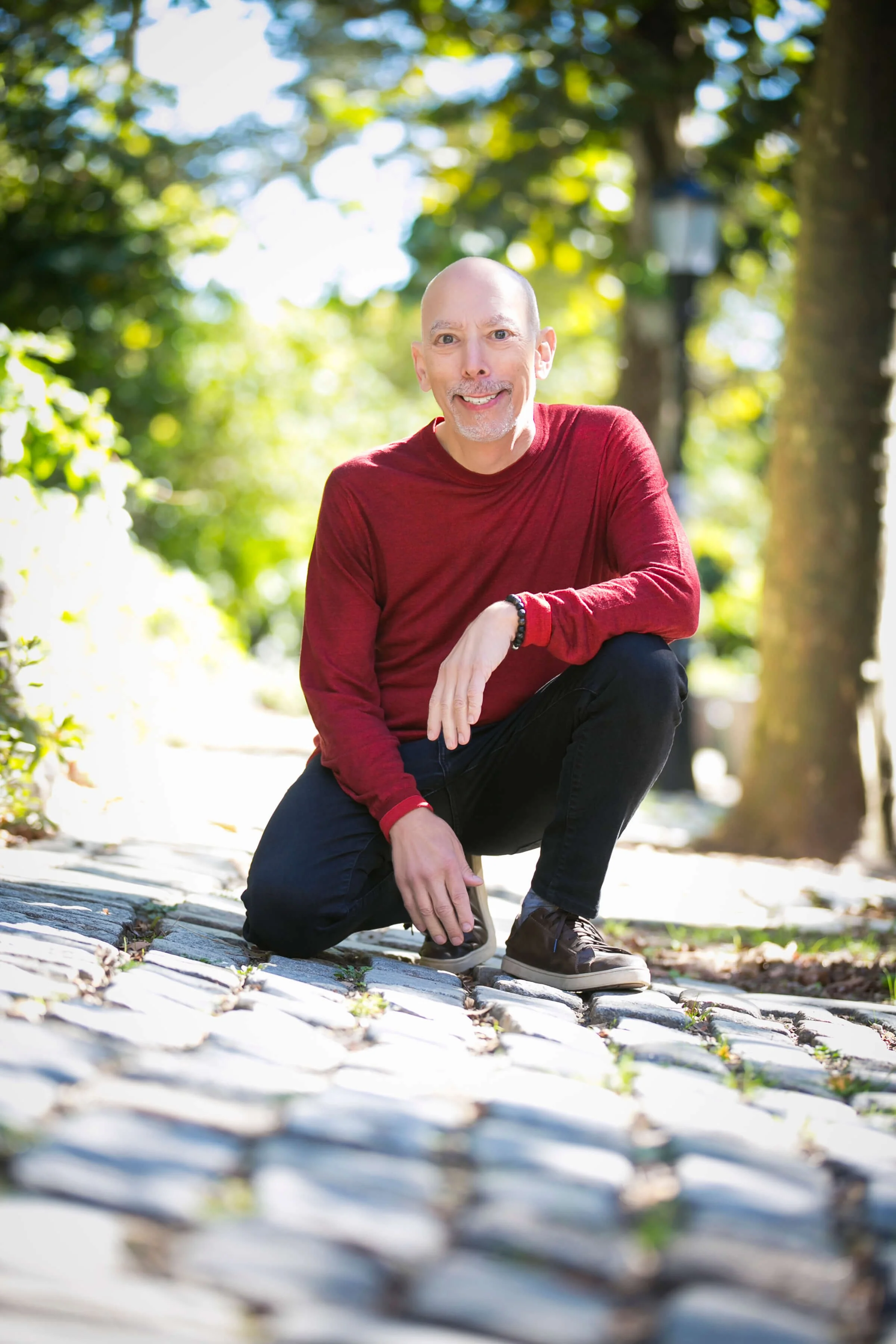
I have taught over 130 MBSR courses since 2008. It’s an approach I myself turn to every day in my own life. Having recently moved from New York City to Chicago, I am excited to offer in-person sessions in Chicagoland, as well as on-line. As both an experienced MBSR instructor and MBSR teacher trainer, I continue this work, inspired by participants who consistently report positive—and sometimes radical—changes in their ability to meet life's ongoing challenges. You can learn more about my background and training here.
Ready to discover what's possible ? Join us for a free orientation to an upcoming course. Get in touch if you have questions about whether or not MBSR is for you.
These videos are a little “vintage”, but I still feel they articulate well some key aspects of MBSR and answer many questions.
What is MBSR?
With my colleague and dear friend Elaine Retholtz, we share our thoughts on what MBSR is all about.
What’s the difference?
People sometimes ask if MBSR is Buddhist or what the difference might be with a Buddhist meditation course.
What is the effectiveness of MBSR?
So, does it work? Learn about the background and the research about MBSR.
A History of MBSR

MBSR was originally developed in the late 1970s for patients in chronic pain, those undergoing intensive treatments for cancer, AIDS and other serious illness.
It has since expanded and been incorporated into the daily lives of ten of thousands of people whether they are dealing with the challenges of illness or simply day-to-day stress.
Early research on the program helped establish MBSR as a viable intervention for a host of physical, emotional and psychological conditions. MBSR supports primary, secondary and tertiary public health goals: preventing illness and disease—including cultivating inner resources that support resilience and healthy coping; as an intervention for current conditions, especially since stress-reduction is applicable in any disease-state; and to ameliorating effects of chronic, long-standing conditions for which recovery is not possible.
Jon Kabat-Zinn and a dedicated community of teachers and researchers have contributed to a growing movement of mindfulness into mainstream institutions in society such as medicine, health care and hospitals, schools, higher education, corporations, prisons, the legal profession, and professional sports.
Over 720 medical centers and clinics nationwide and abroad now offer MBSR.